
PRODUCTS
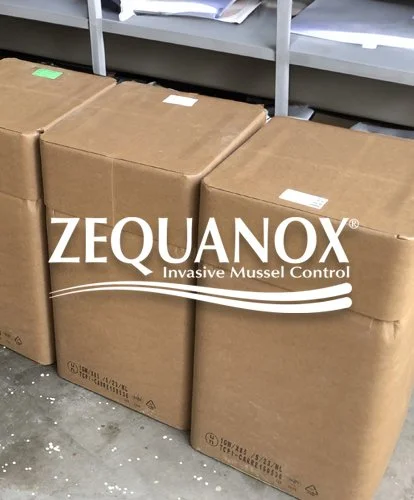
Zequanox®
Effective and Environmentally Safe Control of Zebra and Quagga Mussels
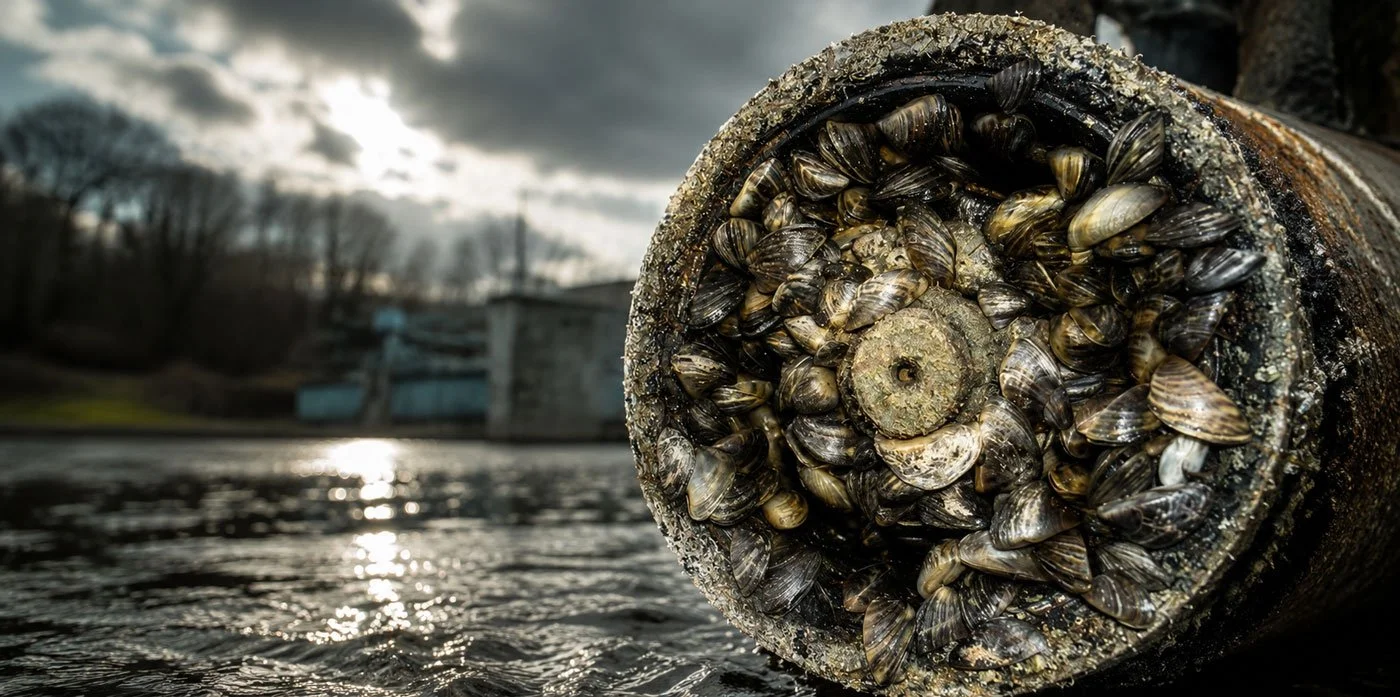
Since the 1980s, the question of how to get rid of zebra mussels and quagga mussels in a way that is safe for other aquatic life has been an important topic in our water systems. Zequanox molluscicide is the industry’s only selective and environmentally compatible control of invasive zebra and quagga mussels (Dreissena spp.) at all life stages — from veliger (larva) to adult.
The product delivers efficacy comparable to chemical solutions, but does not endanger employees, damage equipment, or result in harmful impacts to the environment or other aquatic organisms when used as directed.

Water System Solutions
-
Zequanox is safe and effective zebra mussel and quagga mussel control in:
Hydropower facilities
Power generation facilities
Drinking water and water treatment facilities
Golf courses
Irrigation systems
Industrial process facilities
Pulp and paper facilities
Water transport systems
Other enclosed and semi-enclosed systems
Zequanox CS product information:
Noncorrosive to equipment or infrastructure
Does not disrupt normal facility operations
Short application times
Fewer permitting and reporting requirements
Does not require deactivation or detoxification before effluent discharge
No significant effect on water quality or non-target organisms
Minimal PPE required for application
Note: Invasive Species Corporation has the worldwide exclusive rights to manufacture and sell Zequanox and the current EPA and state registrations are being transferred to ISC.
-
Zequanox for recreational and environmental rehabilitation in:
Lakes, reservoirs, ponds
Rivers and streams
Marinas
Docks, piers, swimming platforms, submerged infrastructure, buoys
Watercrafts
Ballast water
Shorelines and beaches
Other open water systems
As zebra or quagga mussels colonize open water bodies, they disrupt the natural ecosystem by impacting the filtering behavior of native freshwater mussels, causing the proliferation of toxic blue-green algae, decreasing game fish populations, and causing risk or injury to swimmers from sharp shells. In addition, these invasive species block water intakes, damage boats and other recreational equipment, and decrease lakefront property value.
Zequanox for open water systems:
Highly effective rapid response tool to prevent against large-scale zebra or quagga mussel infestations
Highly selective with no significant effect on water quality or non-target organisms
USDA certified as BioPreferred and Biobased – biodegradable, not persisting in the environment
Minimal regulatory restrictions when compared to chemical alternatives
Non-corrosive – no risk to boats or recreational equipment
Zero-hour re-entry interval (REI), so water can be used continuously for recreational purposes
Zequanox vs. Other Mussel Control Methods
| Attributes vs Methods | Zequanox® | Chlorine & Other Chemical Pesticides | Microfiltration/UV | Copper |
|---|---|---|---|---|
| Application Time | 6 hours | Days to weeks | Continuous | 24 hours to several days |
| Startup Investment | Limited | Medium | High | Medium |
| Worker Safety Requirements | Minimal | High | Minimal | Medium |
| PPE Requirements | Minimal | High | Minimal | High |
| Discharge Requirements | None | Detoxification may be required | None | Some restrictions for potable water |
| Environmental & Nontarget Risk | None | Highly toxic to most organisms; Forms toxic byproducts | None | EPA classifies copper as an environmental pollutant; Low doses may have lower effect but cannot be used at pHs below 5.5 & low DO; Specific fish restrictions for lake treatments |
| Equipment Corrosion Risk | None | High | None | Cannot use steel, nylon, brass or copper containers/pipes |
| Water Temp & Water Quality Effects on Control | Minimal water quality effects. Effective down to 8C | Limited efficacy below 8C; lower efficacy when organic matter & algae are present | Efficacy comprised in cloudy waters with organic matter, & algae infested waters | Minimal; Lower temps may require longer treatment times |
| Regulatory Restrictions | Low | High. May require state permits | NA | Some. May require state permits |
Learn More
The Future: Great Lakes Could be Altered by an Invasive Species
Quagga mussels, an invasive species, are widespread across Ontario, Quebec, and Manitoba. Victoria Fenn Alvarado explores their impact on the Great Lakes.
Invasive Mussel Collaborative: Good Harbor Reef Project
Mussels invaded the Great Lakes in the 1980s, arriving via ballast water. They form dense colonies, clogging pipes and damaging infrastructure.
Invasive Mussels?
Responding to the first sign of them can prevent serious damage and permanent establishment. Treat the effected areas with Zequanox ASAP.
If discovered at the veliger stage you can treat with a low dosage or at adult stage with a higher dosage both for approximately only 6 hours.
Approved for drinking water and water treatment facilities.
Contact ISC
to Order
Invasive Species Corporation
sales@invasivespeciescorporation.com
+1-303-493-1482

More Reading

Bring Biological Solutions to Your System
ISC works with partners across agriculture, water management, and environmental sectors to deploy effective, scalable solutions.