

NEWS
All News
Press Releases

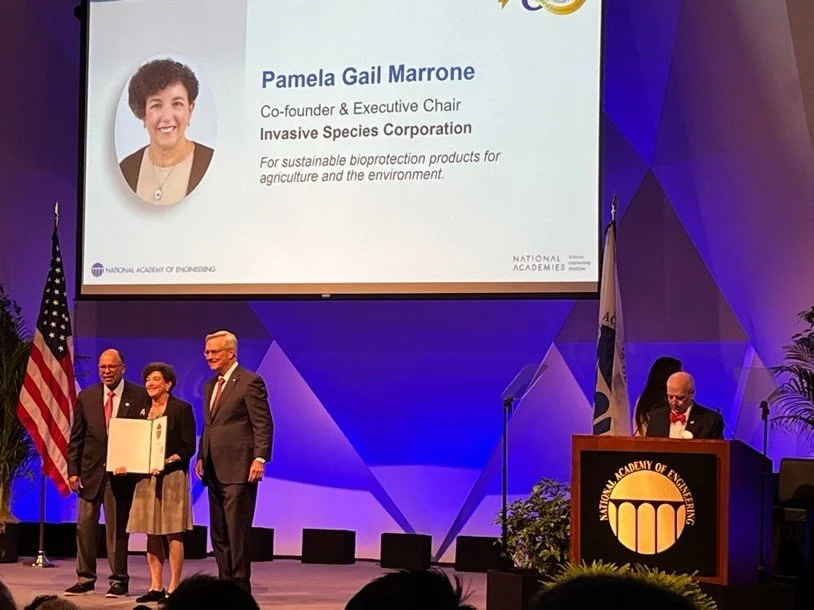
Pam Marrone, PhD, co-founder of Invasive Species Corp, is inducted into the National Academy of Engineering for her work in sustainable bioprotection.

ISC expands its lab to develop bio-based controls for weeds, toxic algae, and shrimp harming oyster beds, advancing sustainable solutions.
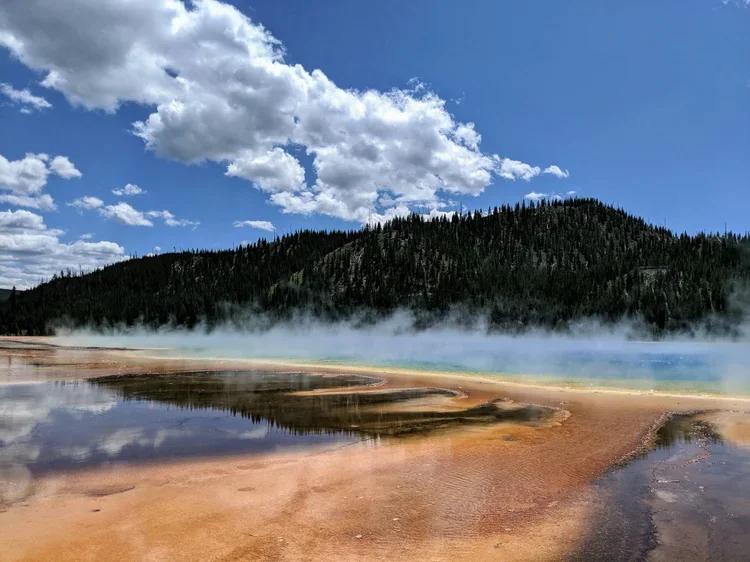
ISC advances burrowing shrimp control with bioactive microbes, backed by a $388K WSDA grant. More testing ahead.
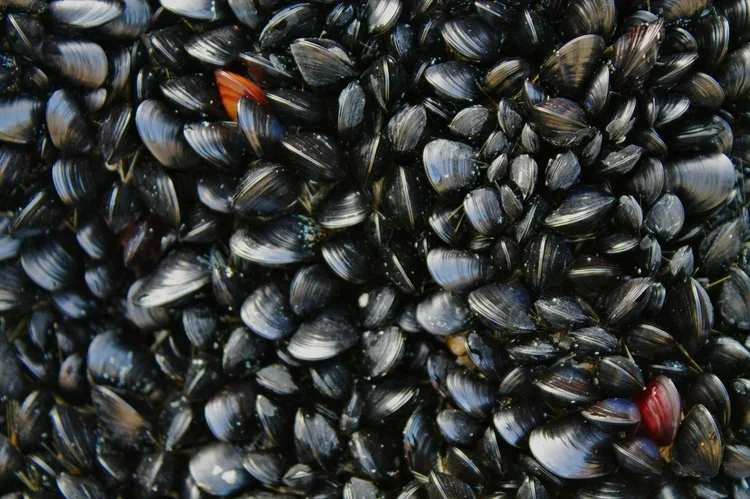
ISC & USGS partner to improve Zequanox® for invasive mussel control, enhancing delivery, efficacy & cost for resource managers.

ISC secures $2.5M from Silverstrand Capital to expand bio-based solutions for invasive species control, tackling biodiversity loss.

ISC wins $388K WSDA grant to develop microbial solutions for burrowing shrimp control, protecting oyster beds in Washington.
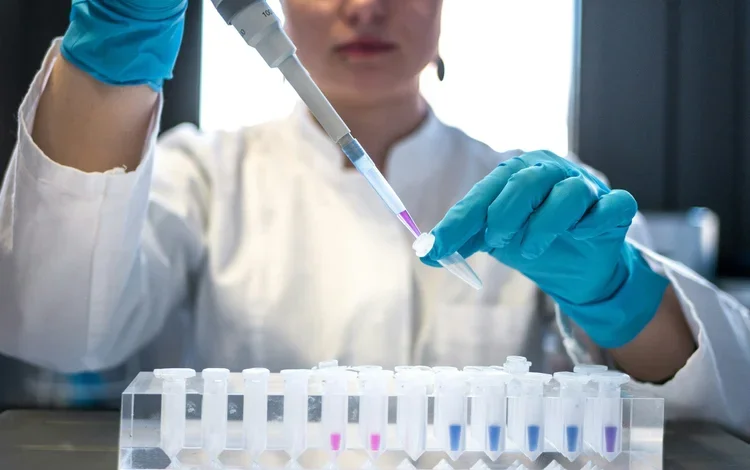
ISC launches AI-guided bioherbicide platform, adding top science advisors to advance weed control in agriculture and aquatic systems.
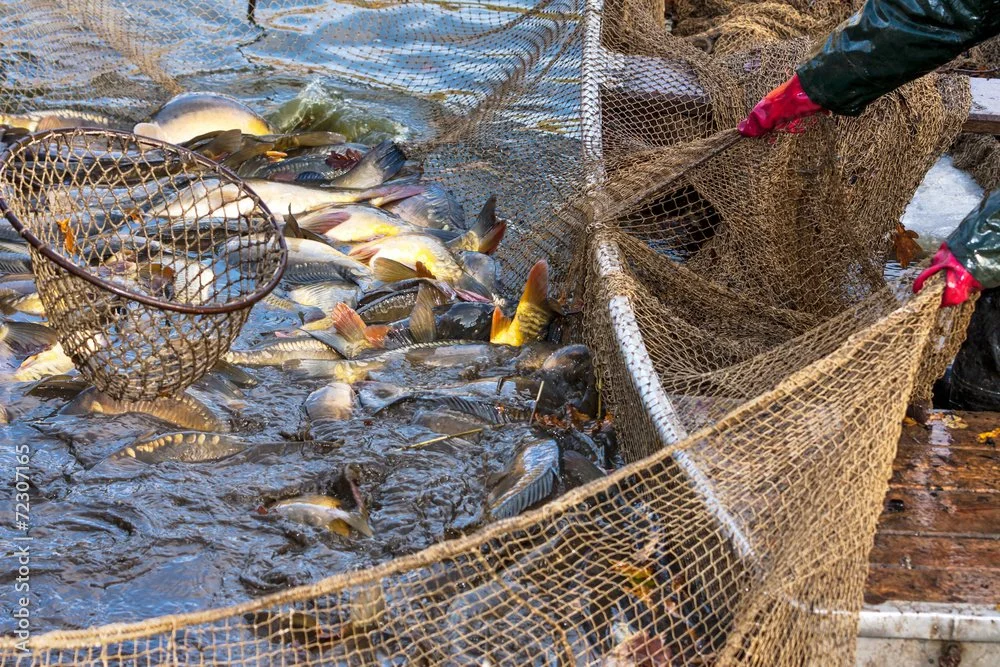
ISC & USGS partner to refine Piscamycin® for invasive carp control, enhancing efficacy & manufacturing for resource managers.

Industry leaders launch ISCC & ISF to develop bio-based solutions combating invasive species worsening due to climate change.
ISCC licenses Zequanox® & Piscamycin® for invasive species control, advancing eco-friendly solutions for mussels & Asian carp.
Media Coverage





Brazil's biological inputs market surpassed R$ 6.2 billion in 2025, growing 15% over the prior year. Treated area advanced 28%. These are strong numbers, reflecting a real transformation in pest and disease management.

Golden mussels can reproduce quickly -- aided by the fact that they have no natural predators and are less sensitive to variability in water chemistry and temperatures, said Pam Marrone, executive chair and co-founder of the Invasive Species Corporation, a company that seeks environmentally responsible solutions to ecological threats.

The goal is to develop products featuring cocktails of metabolites, typically with one to three dominant active compounds that may be supported by weaker or synergistic ones that are not characterized or well understood.


ISC named among the Top 100 climate tech startups
One year after the discovery that golden mussels had invaded the Delta, thick colonies coat boats and piers and threaten water supplies for cities and farms. Yet the state has no specific funding or plans to tackle harms in the heart of the invasion.

While biopesticides have been around for 70 years, starting with Bacillus thuringiensis bioinsecticides, they are experiencing rapid growth as the products have gotten better and more science-based and there are more restrictions on synthetic chemical pesticides.

New study outlines how biologicals are reshaping pest management; why Brazil is leading the charge, and what other markets can learn

New technologies help scientists detect and contain invasive species before they cause irreversible ecosystem damage

Water is a driving force in the American West, and today it’s at risk more than ever. Not just from overuse, not just from megadrought, but from minuscule invaders that pose a nearly unstoppable threat to the region’s rivers, lakes, dams and reservoirs.

Agri-Pulse Podcast: Dr. Pam Marrone discusses 37,000 invasive species costing $1 trillion globally and expanding northward with climate change.

Big Red Podcast features Cornell alumni like Pam Marrone ’78, discussing her biotech startup combating invasive species and insights on bio-pesticides.

Having seen outbreaks of both zebra and quagga mussels in recent years. A Davis based company has been working on a solution and now has its sights set on getting rid of the golden mussel for good.

In the July 30, 2025 Forbes “50 Over 50: Innovation” profile, Pamela “Pam” Marrone is honored as one of 50 women over age 50 driving breakthroughs in STEM fields

The Packer explores the future of crop biologicals and their potential for significant growth, with Pam Marrone, co-founder of Invasive Species Corp.

Invasive Species Corp. adapts Zequanox to fight golden mussels in CA waterways, offering eco-safe control for invasive threats.

Dr. Pam Marrone drives sustainable farming with biologicals, boosting yields while reducing environmental impact.

Dr. Pam Marrone highlights biologicals' role in boosting yields, reducing chemicals, and promoting sustainable farming.

Agricultural biologicals are rapidly growing, offering high ROI in regenerative farming. Farmer education & transparency are key to adoption.

Bighead carp, introduced for algae control, now threaten ecosystems by outcompeting natives, disrupting habitats, and harming biodiversity.

ISC, founded by Dr. Pam Marrone, develops biological controls for invasive species, securing $2.5M in funding and a new Davis lab.

Dr. Pam Marrone discusses how biologicals boost crop quality, with 70% used by conventional farmers. The market is set to rival chemicals by 2040.

Dr. Pam Marrone urges better grower education, market evaluation, and innovation in biologicals, highlighting peptides and RNA solutions.

Dr. Pam Marrone urges market differentiation, grower education, and AI-driven innovation to advance biologicals and increase adoption.
Recommended Reading
Brazil's biological inputs market surpassed R$ 6.2 billion in 2025, growing 15% over the prior year. Treated area advanced 28%. These are strong numbers, reflecting a real transformation in pest and disease management.
Golden mussels can reproduce quickly -- aided by the fact that they have no natural predators and are less sensitive to variability in water chemistry and temperatures, said Pam Marrone, executive chair and co-founder of the Invasive Species Corporation, a company that seeks environmentally responsible solutions to ecological threats.
The goal is to develop products featuring cocktails of metabolites, typically with one to three dominant active compounds that may be supported by weaker or synergistic ones that are not characterized or well understood.

Invasive species are widely recognised as one of the five main drivers of nature change. Yet while the other four – climate change, resource exploitation, land and sea use change, and pollution – have risen up investors’ agenda in recent years, invasive species have been largely overlooked.

We see invasive species every day, and so we’ve normalised them. And yet, I know our situation is not unique. Most people can point to an invasive plant or animal in their community. Even if they don’t yet realise it is part of a much larger, global problem.

Results from the 2025 Weed Science Society of America (WSSA) broadleaf crops weed survey highlight the need for new herbicides and alternative weed management strategies. Those needs were revealed by comparing WSSA's 2025 survey results with those obtained in 2022.

Biological invasions can alter ecosystems, yet their impacts vary across ecological contexts. Using a global meta-analysis of 775 studies (2223 effect sizes) in terrestrial systems, we show that the most consistent negative impacts are reductions in native plant diversity caused by invasive plants and increases in greenhouse gas emissions driven by both invasive plants and animals.
New technologies help scientists detect and contain invasive species before they cause irreversible ecosystem damage
Water is a driving force in the American West, and today it’s at risk more than ever. Not just from overuse, not just from megadrought, but from minuscule invaders that pose a nearly unstoppable threat to the region’s rivers, lakes, dams and reservoirs.
Agri-Pulse Podcast: Dr. Pam Marrone discusses 37,000 invasive species costing $1 trillion globally and expanding northward with climate change.
Big Red Podcast features Cornell alumni like Pam Marrone ’78, discussing her biotech startup combating invasive species and insights on bio-pesticides.

Participants identified invasive species as key biodiversity threats, urging awareness, cooperation, and coordinated strategies supported by successful control case studies.

Invasive species threaten climate resilience by disrupting ecosystems and infrastructure, undermining mitigation, adaptation, and society’s capacity to face climate change.
Bighead carp, introduced for algae control, now threaten ecosystems by outcompeting natives, disrupting habitats, and harming biodiversity.

Invasive species like zebra mussels and goldfish disrupt Canadian lakes, altering ecosystems. Prevention and management are crucial.

BIO honors Dr. Pam Marrone and Dr. Hank Harris for advancing biotech in pest control, sustainability, and animal vaccine development.

This study ranks the 10 most damaging aquatic invasive species in the Great Lakes based on quantified environmental and economic impact.

Invasive species threaten biodiversity. Strong biosecurity, early detection, and global cooperation are key to mitigation efforts.

Invasive species cost $423B yearly, driving extinctions. Prevention, control & restoration can mitigate damage, says UN report.

A UN report warns invasive species drive extinctions and cost billions. Strong biosecurity and cooperation are key to reducing their impact.

Invasive species cost $423B+ yearly, fueling extinctions, spreading disease, and threatening food, water, and ecosystems worldwide.

Invasive species cost $423B yearly, threaten biodiversity, food, and health—climate change and trade accelerate their spread.

Invasive species, fueled by trade & climate change, threaten ecosystems & economies. A new report urges global action to curb their spread.
Videos
-
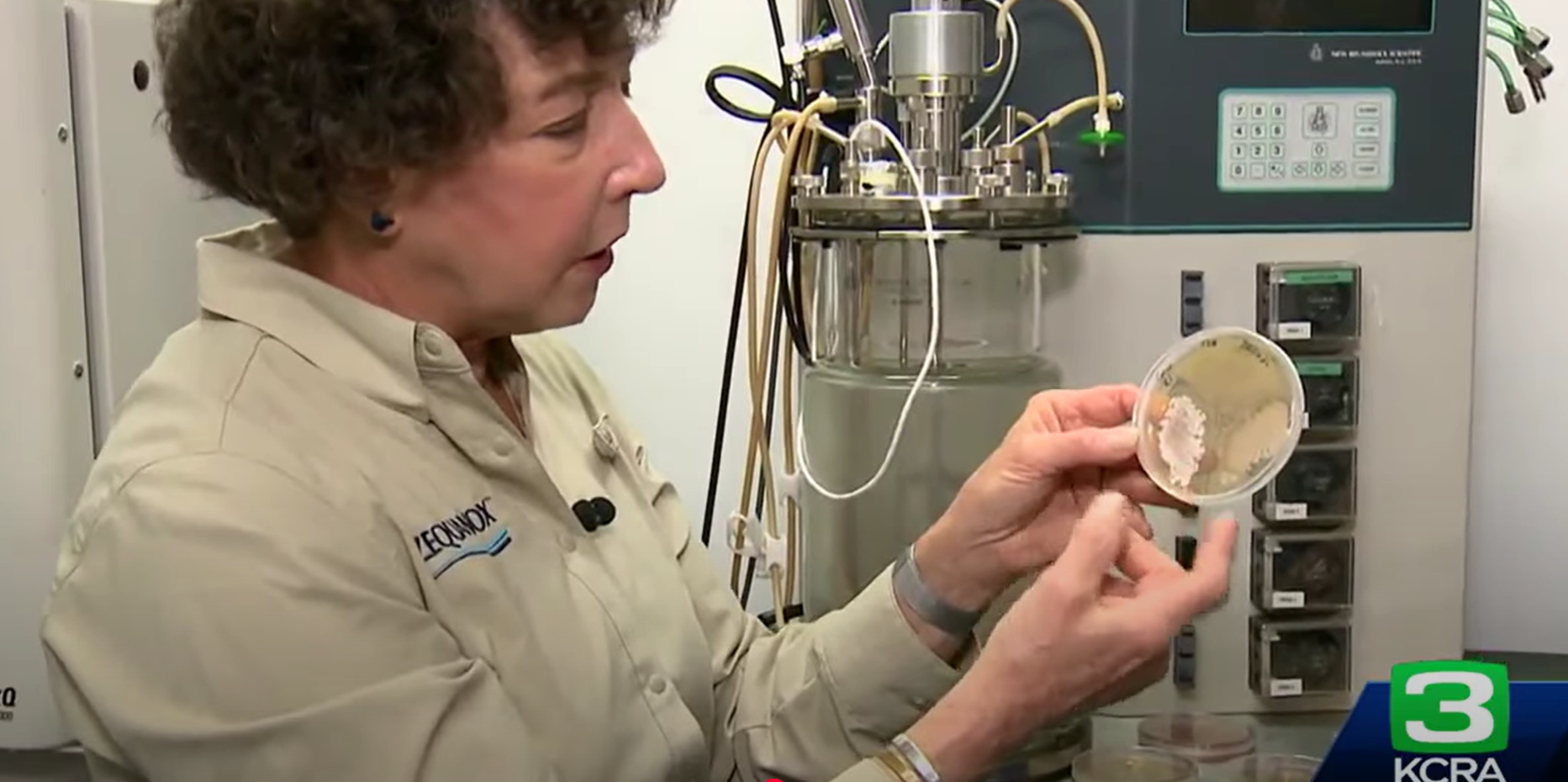
Scientist in Davis working on solution to invasive Golden Mussels
-
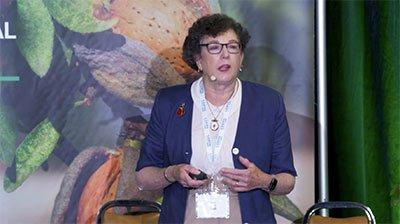
Salinas Biological Summit Plenary - What's happened this past year?
-
Ahead of Her Time: The Pamela Marrone Story

-
Particle Accelerator Episode 30

-
2024 Salinas Biologicals Summit

-
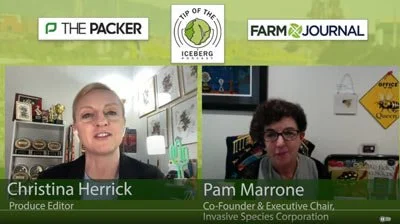
Tip of the Iceberg Podcast
-
ISC Product Pitch at Start-Up Arena 2024

-
Pam Marrone - Rosalind Franklin Award

-
TBLI Chairman Robert Rubinstein interviews Pam Marrone

-
Invasive Mussel Collaborative: Good Harbor Reef Demonstration Project


Bring Biological Solutions to Your System
ISC works with partners across agriculture, water management, and environmental sectors to deploy effective, scalable solutions.