
California braces for hundreds of millions needed to mitigate impact of new invasive species
SACRAMENTO, Calif. — Receiving a donated ex-charter boat was a huge help for the youth organization Stockton Sea Scouts, said program director John Manov.
But hauling it out for maintenance to make it safe for kids, he explained, became far more expensive than originally thought because of a new invasive species of mussel.
“With common knowledge of a vessel haul out, we expected to see costs of about $20,000 for our first haul out,” Manov said. “And the mussels added about another $8,000, we figure, to that cost.”
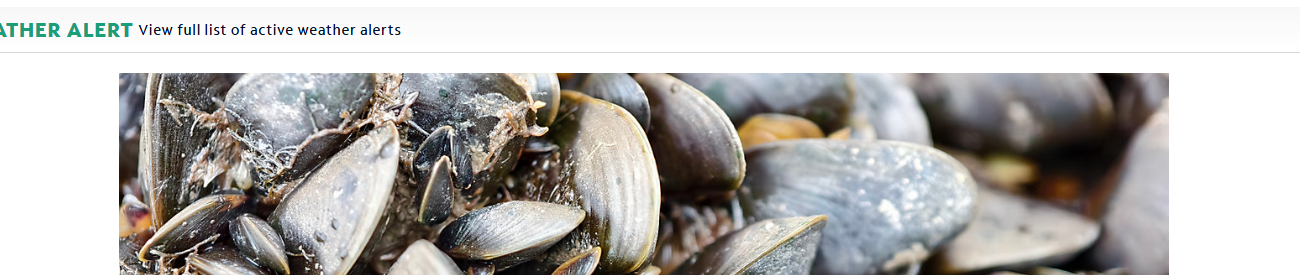
The invasive golden mussels Manov is referring to have spread across the state in the last year and a bit.
They can grow on top of each other and breed fast, which gives them the ability to blanket boats and other structures like fish screens, as well as enclose pipes.
Manov noted that it’s something they are now wrapping their heads around, as Stockton Sea Scouts rely heavily on donations and count every penny.
“We didn't know exactly how it was going to affect our boats and our equipment,” he said.
The state says the mussels are believed to have arrived in Stockton through international shipping and spread from there, as far south as Los Angeles County through the State Water Project infrastructure, which supplies water to approximately 27 million people.
And like Manov, the state is also paying the price, said Department of Water Resources, Golden Mussel Strike Team environmental lead Tanya Veldhuizen.
“We're running through cost estimates now,” Veldhuizen said. “Of what we expect those expenditures to be, current estimates to implement all the mitigation measures could be upwards of $170 million over the next five years. So, it is very costly.”
Veldhuizen added that the mussels can survive in fresh and moderately salty water and are increasing staff workloads.
“There's a lot of increased staff maintenance, time cleaning off the fish screens that used to be a monthly cleaning, and now it's every 2 to 3 weeks and or daily during certain parts of the season,” Veldhuizen said.
